Blog
Local SEO for small businesses — what actually matters in 2026
2026-04-19 · by Roger, Kotik Solutions
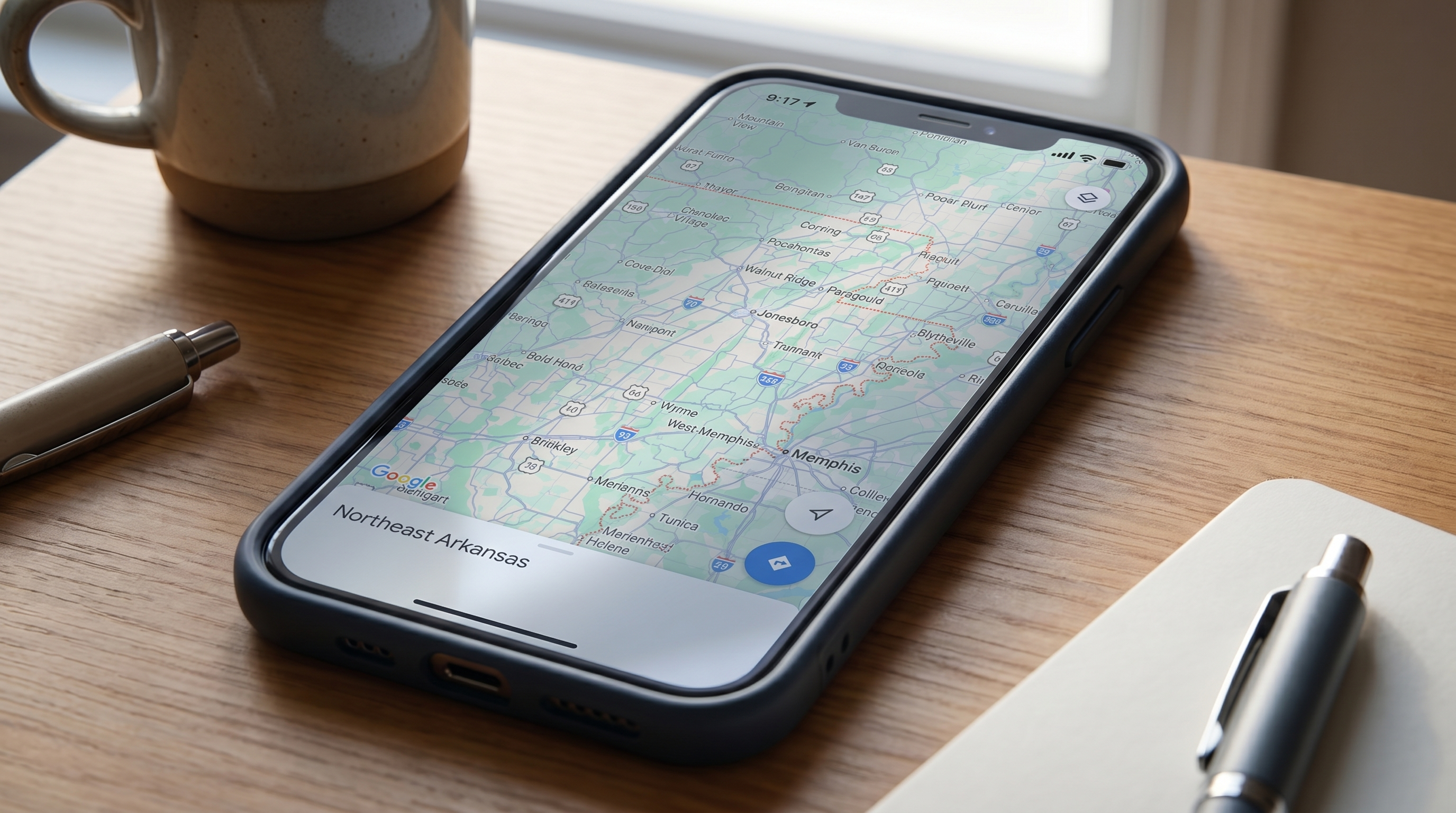
If you own a small business and your online visibility has flatlined, this guide is for you. No jargon, no pitch — just the small set of things that actually move local rankings in 2026.
The short answer
In order of impact for most small and small-town businesses:
- A fully built-out, correctly categorized Google Business Profile.
- Consistent Name-Address-Phone (NAP) data across Apple, Bing, Yelp, Facebook, and the major niche directories.
- A steady flow of reviews — quantity, recency, and response all count.
- Local content on your website — pages that speak to the cities or regions you serve by name.
- A few real local backlinks (Chamber, sponsorships, local press).
If you nail the first two and stay consistent on the third, you’ll outrank most of your competitors in a small or mid-sized market. That’s not hype — it’s what the math of local ranking signals says.
Why Google Business Profile is where you start
Google’s Local Pack — the three-business block that shows up first for most local searches — uses your Google Business Profile as the primary ranking signal. Most local profiles are under-built. Missing categories. Missing services. Two or three low-resolution photos. No posts in six months. No Q&A.
Fix those and you often see measurable ranking improvement in 30–45 days, without changing a line of your website.
What to audit on your GBP today:
- Primary category (the most important ranking signal on GBP — pick the most specific match)
- Additional categories (up to 9 — add every legitimate one)
- Services (list them all, with descriptions)
- Products (if applicable — treat like a mini-catalog)
- Photos (aim for 20+; add new ones monthly)
- Posts (at least one per week — events, updates, offers)
- Q&A (seed your own common questions, answer them)
- Attributes (wheelchair accessible, LGBTQ-friendly, women-owned, etc. — fill in what applies)
NAP consistency — the boring compounder
Name, Address, Phone. Every place your business is listed online. Inconsistency confuses Google about whether two listings refer to the same business, which dilutes your ranking signal.
Cheap citation-blasting services make this worse, not better — they spray inconsistent data to low-quality directories. Fixing it by hand (or with a proper tool like Whitespark or BrightLocal) is the right move.
Reviews: the underrated #1
A business with 80 reviews at 4.7 stars almost always outranks a business with 10 reviews at 3.9. Reviews are the fastest-moving Local SEO signal: recency matters, volume matters, and whether you respond to them matters.
The sustainable system looks like this:
- Ask every happy customer (in person, via text, or via email).
- Make it easy — a direct link to your GBP review form.
- Respond to every review, positive or negative, within 48 hours.
- Never pay for reviews or trade incentives for them (Google cracks down on this).
What doesn’t matter as much as you’ve been told
- Social media posting frequency. Valuable for other reasons, but a weak Local SEO ranking signal on its own.
- Generic “SEO packages” from offshore shops. Most of these are directory spam that does more harm than good.
- Keyword stuffing your website. Modern Google can tell, and AI search engines punish it harder.
What’s changing in 2026
Two things matter more now than two years ago:
- AI Search Optimization. ChatGPT, Perplexity, and Google’s AI Overviews are answering more “near me” questions directly. Your schema, llms.txt, and structured content increasingly decide whether you’re the cited source.
- Review quality (not just quantity). LLMs are being trained to read the content of reviews, not just the star count. A business with thoughtful 5-star reviews mentioning specific services is more valuable than one with 200 generic “great!” reviews.
Where to start if this is all new
If you own a small business and this is the first time you’ve thought about any of this, start here:
- Log in to your Google Business Profile. Audit it against the list above.
- Search your top service + your city on Google, from your phone, and see where you actually rank.
- Ask one happy customer for a review this week.
That’s the first week. From there, it compounds — every month you stay consistent, you get more visible, get more calls, and book more work.
Ready for a free audit? Get in touch.